Taming the Immune System: Understanding Allergy and the Power of Immunotherapy 🛡️
Allergies affect millions globally, transforming common substances like pollen, dust mites, and certain foods into significant health threats. While often dismissed as mere nuisances, severe allergies can profoundly impact quality of life and even become life-threatening. This blog explores the underlying science of allergy and the targeted treatment approach known as immunotherapy.
The Allergic Reaction: A Case of Mistaken Identity
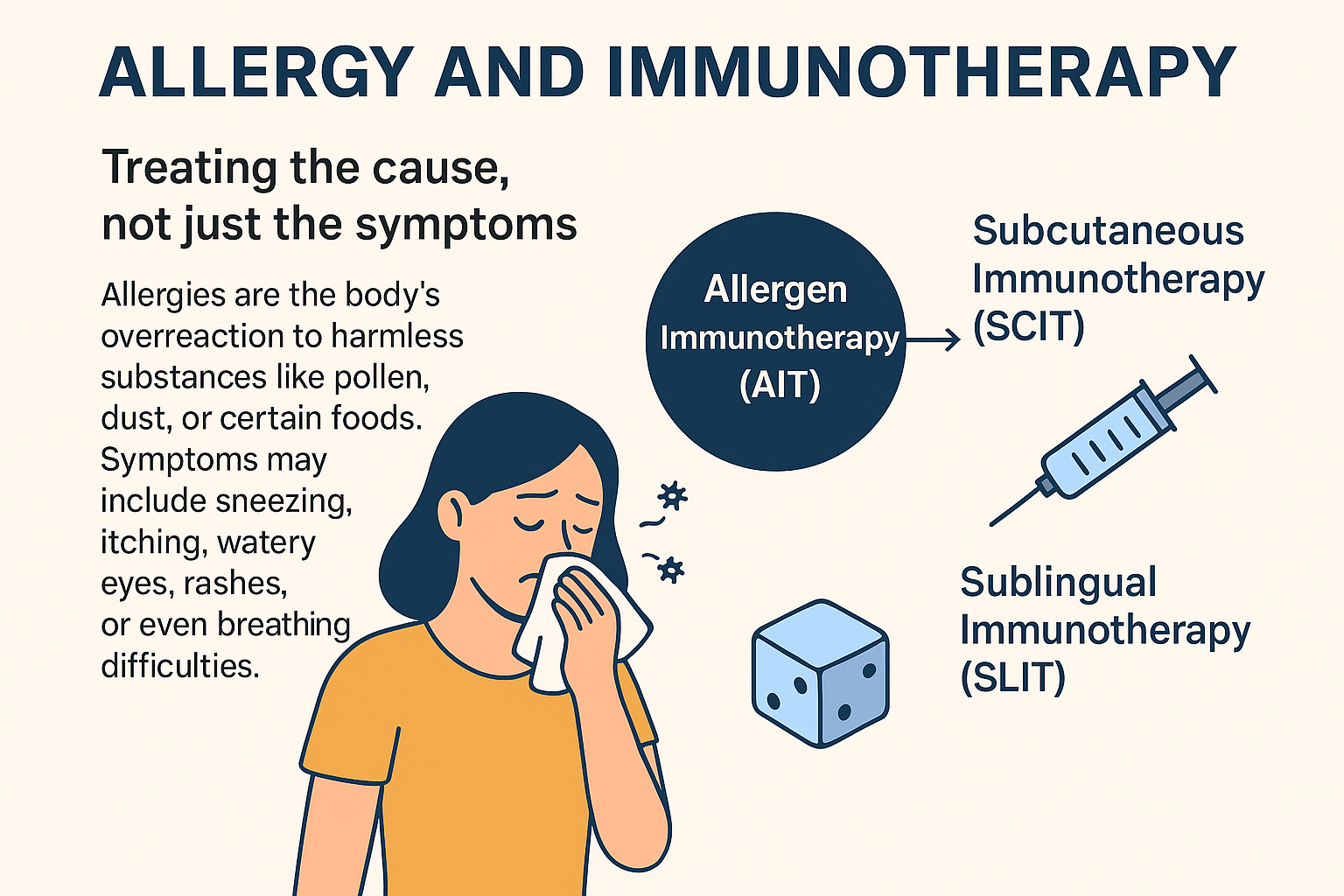
An allergy is essentially an overreaction by the body's immune system to a substance that is typically harmless (an allergen).
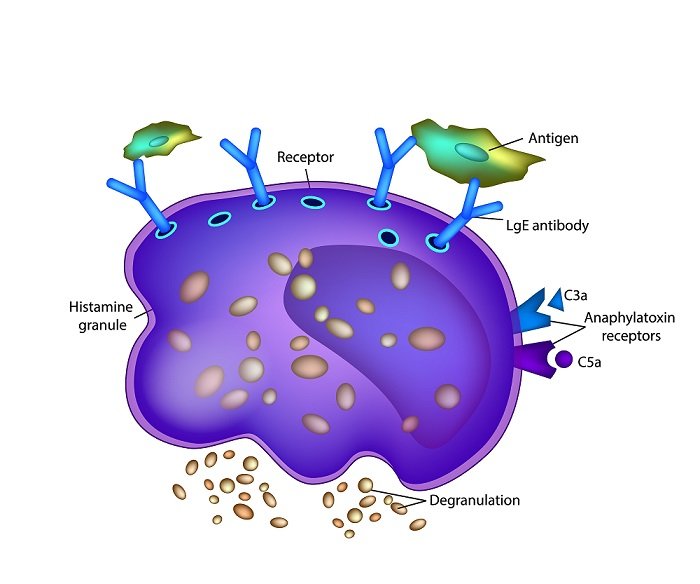
Sensitization: The first exposure to an allergen primes the immune system. Specialized white blood cells (B cells) produce a specific type of antibody called Immunoglobulin E ($\text{IgE}$). These $\text{IgE}$ antibodies attach themselves to mast cells and basophils (immune cells found in tissues and blood).
Re-exposure and Reaction: Upon subsequent exposure, the allergen binds to the $\text{IgE}$ on the surface of the mast cells. This binding triggers the release of potent chemical mediators, most famously histamine, along with leukotrienes and prostaglandins.
Symptoms: These chemicals cause the familiar signs of an allergic reaction:
Inflammation and swelling
Vasodilation (widening of blood vessels), leading to redness and fluid leakage
Bronchoconstriction (narrowing of airways) in the lungs
The severity of the reaction ranges from mild localized symptoms (e.g., hay fever, hives) to life-threatening anaphylaxis, a systemic reaction requiring immediate medical intervention.
Comments (0)
Categories
Recent posts
Understanding Allergy and the Power of ...
28 Oct 2025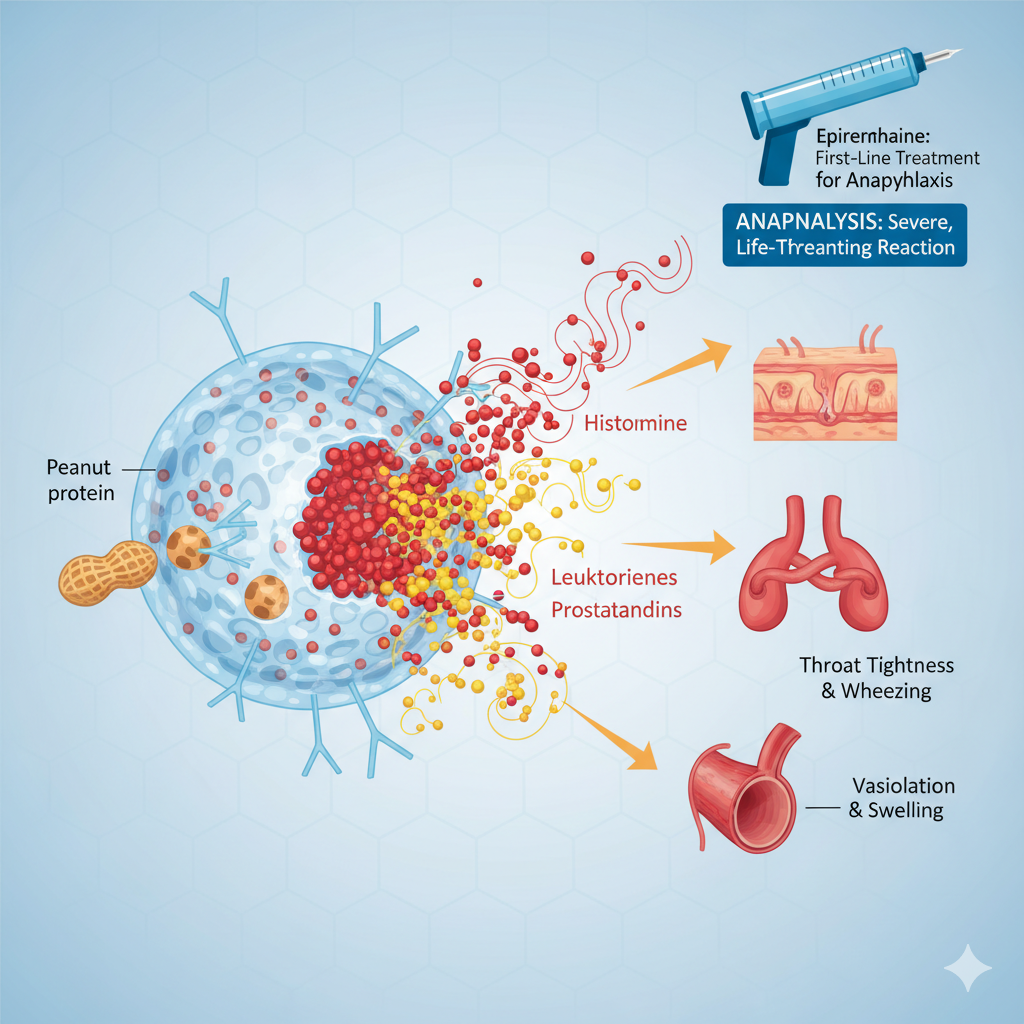
The Silent Threat: Understanding the ...
28 Oct 2025